Pest Control: Proven Approaches to Safeguard Your House and Business

Pest Control: Valuable Plans to Protect Your Home and Enterprise
Foreword to Pest Control
Pest Control involves the oversight or management of life forms regarded as pests – living things that detrimentally affect individual's behaviors or environments. In New Jersey, a place where diverse ecosystems converge with suburban and urban development, potent Pest Control is not just a luxury but a essential for keeping healthy dwelling and business surroundings. From the expansive residential areas of Monmouth County to the integrated residential areas of Matawan, pest incursions can affect each person, no matter of how pristine or well-kept their property may be.
The necessity of employing productive Pest Control strategies can't be understated. For house owners, pests can damage constructional solidity, contaminate food provisions, and constitute significant health risks. Enterprises face these same problems, with the increased anxiety of reputation destruction and potential loss of patrons if infestations are located. Usual pests in New Jersey encompass rats and mice like rats and mice, assorted invertebrates such as ants, cockroaches, and bed bugs, and the particularly destructive termites that can quietly damage a building's foundation.
The Rationale Pest Control Is Significant
Health Risks of Pest Control Treatments
Many pests bear and spread illnesses pest control service New Jersey that can influence individuals and pets. Rodents are recognized vectors of hantavirus, salmonella, and leptospirosis. Cockroaches can cause asthma occurrences and hypersensitivity sensitivities, notably in little ones. Ticks, prevalent in New Jersey's tree-covered locations, are distinguished for conveying Lyme disease, while mosquitoes can convey West Nile virus and Eastern Equine Encephalitis. Professional Pest Control supports lessen these health perils by eradicating the basis of these probable disease carriers.
Home Destruction in Pest Control
The framework injury produced by pests can be widespread and pricey. Termites singly cause over $5 billion in structure devastation each year all over the United States, with New Jersey homes being particularly susceptible due to the state's atmosphere. Vermin can chomp through power wiring, creating fire dangers, while their constant nibbling can destroy padding, pipes, and timber basic elements. Even relatively inoffensive ants can weaken lumber structures if allowed untreated, notably carpenter ants which are common in Monmouth County.
Fiscal Implications of Pest Control Services
Dismissing pest outbreaks can trigger major fiscal outcomes. What possibly start as a minor outbreak needing basic remedy can speedily escalate into a substantial predicament necessitating comprehensive treatment. For organizations, particularly those in the food trade or leisure businesses, pest invasions can produce inadequate health checks, interim suspensions, and permanent detriment to name and customer confidence. Funding in routine Pest Control is not only about direct ease—it's a continuing fiscal protection.
Pest Control: Typical Home and Enterprise Pests
Vermin (Rats and Mice)
When it involves recognizing rodent problems in your New Jersey home, watchfulness is vital. You may observe droppings near food provisions, in drawers, or beneath sinks. Gnaw marks on food covering, lumber, and electronic cords are revealing symptoms of their occupancy. At nighttime, you may hear scraping disturbances in partitions, roofs, or underneath floors as these nocturnal organisms grow active. If you detect shelters created from torn stationery, cloth, or dried plant stuff, that's a apparent signal rodents have created themselves comfortable. Slimy rub marks adjacent to baseboards and barriers appear as rodents employ the identical paths regularly, while your pets may present unusual demeanor such as yapping or scratching at spots below appliances or possessions where rodents camouflage.
Rodents in New Jersey homes and companies establish multiple perils exceeding pure annoyance. They can pollute food and production surfaces with microorganisms present in their urine and waste. Their continuous need to chew can harm property, remarkably cords, which causes fire threats. In Matawan and encircling regions, the Norway rat and house mouse are especially troublesome, succeeding in both built-up and peripheral areas. Effective Pest Control procedures are essential to handle these ruinous infiltrators.
Bugs (Ants, Cockroaches, Bed Bugs)
Bug invasions reveal themselves in various means depending on the category. Ant problems develop into noticeable when you observe perceptible ant tracks directing to food reserves, or when you spot small collections of soil or wood shavings generated by carpenter ants. Cockroach infestations often display themselves through dark waste resembling coffee grounds or black pepper, a special damp odor that infiltrates invaded spots, and the existence of egg shells in concealed corners. Bed bug problems become apparent as rust-colored marks on mattresses and belongings, shed skins near relaxing spots, little blood discolorations on sheets, and irritating red swellings on skin usually placed in a row or collection.
Arthropods symbolize the most varied class of pests in New Jersey. Cockroaches can set off asthma and intolerances while distributing multiple pathogens. Bed bugs, while not disease carriers, generate significant soreness, sleep intrusion, and psychological distress. Specific ant species, like carpenter ants common in Monmouth County's sylvan spots, can inflict constructional injury akin to termites through time. Specialized Pest Control firms can identify distinct insect breeds and implement specific management techniques that deal with the special practices and susceptibilities of each pest.
Termites
Detecting termite activity initially demands understanding the faint indicators of their presence. You perhaps perceive dropped wings near apertures and access points after swarmers have spotted a mate and formed a new settlement. Mud tubes on exterior partitions, timber beams, or in crawl cavities operate as guarded highways for these damaging insects. Wood that echoes hollow when struck signals termites have been feasting from within. Doors and openings that quickly bond may suggest contorting from termite harm, while broken or rising paint looking like water damage often covers termite behavior beneath. Finding frass—termite waste reminiscent of diminutive wood-colored specks—supplies another corroboration of their objectionable manifestation.
Termites pose perhaps the most significant skeletal threat within all prevalent pests. In New Jersey, the Eastern subterranean termite is common and particularly ruinous. These arthropods can linger unseen for years while making extensive harm to wood framework parts. Homes in Matawan and all over Monmouth County, particularly older buildings, are defenseless to termite problems. The standard cost of term pest control.
Pest Control Protection Considerations
Safe Use of Pesticides and Chemicals in Pest Control
While products become needed in your pest control strategy, focusing on security needs focus to various important practices that defend persons, companions, and the surroundings. Consistently study and observe product guidelines exactly, as these binding guidelines reflect comprehensive examination and governmental review intended to reduce hazards. Apply the minimum effective quantity of pesticide to reach control while decreasing excess substance incorporation into your residential space. Employ chemicals only in spaces specified on the product instructions, avoiding improper treatments that may cause surprising hazards or decrease effectiveness. Use proper protective gear as designated by chemical manufacturers to eliminate personal exposure during treatment. House chemicals in their factory packages with instructions intact to keep entry to safety data and prevent confusion. Record complete documentation of all applications, noting chemicals applied, concentration rates, spots treated, and schedules of treatment for later consultation. Ensure sufficient setting and air circulation before reentering treated locations, specifically vital in New Jersey's conditions where humidity can affect curing durations. Think about safer choices when efficient, as advances in pest control have generated many safer alternatives that keep effectiveness while lowering likely dangers.
Shielding Pets and Young ones Throughout Pest Control Applications
Particular steps grow crucial when implementing pest control steps in residences with susceptible family individuals. Move companions throughout application and until areas are set to avoid immediate contact with moist chemicals or vapors that could produce bad effects. Cover or take away pet food, water bowls, and items before application to avoid exposure that could lead to accidental eating. Put children's items away from treatment areas, particularly items that young kids might put in their lips. Clean and disinfect meal cooking areas after application, even if they were not directly serviced, to eradicate any remains that might have collected during treatment. Maintain children away from serviced locations for the specified period, prolonging this duration for mobile infants who have increased close exposure with ground and low surfaces. Consider non-toxic to pets and kid-friendly product alternatives when accessible, as many modern formulations target certain pest biology while minimizing mammalian harm. Most crucially, notify qualified specialists about the presence of pets, children, or pregnant home individuals before they create treatment strategies, allowing them to change methods and product selections suitably.
Legal Rules and Adherence with Pest Control
Pest control in New Jersey functions within a legal system designed to protect community wellness and the environment while guaranteeing efficient pest control. The New Jersey Department of Environmental Protection monitors pest control procedures, necessitating professional pest elimination businesses to satisfy particular standards. Companies must employ certified specialists who have completed official tests proving competency in pest study, treatment methods, and security protocols. These businesses must copyright correct protection coverage shielding both their specialists and their patrons from likely losses or damage connected with pest control procedures. Strict standards control product warehousing, shipping, and disposal to prevent natural pollution and unauthorized entry. Technicians must offer Safety Data Sheets upon demand, noting the features and risks of products employed in services. Notification requirements pertain for certain applications, specifically in apartment residences or business spaces with many residents. Thorough treatment notes must be maintained, forming an audit history of pest control procedures. Furthermore, only products registered for employment in New Jersey may be legally used, making certain that local ecological situations and environments have been examined in the authorization process. For commercial establishments in Matawan and throughout Monmouth County, additional regulations may apply depending on the sector, particularly for food business, medical, and daycare establishments where pest elimination connects with further public wellness aspects.
Environmentally-Friendly Pest Control Options
Integrated Pest Management (IPM) Strategy
Integrated Pest Control embodies the premium benchmark in modern pest control, emphasizing on sustained avoidance through a mix of methods that decrease ecological impact while optimizing efficiency. The IPM process starts with comprehensive examination and monitoring to identify pest pressure accurately, establishing foundation information about species occurring and number levels. This results in accurate determination of pest varieties, ensuring elimination attempts aim at particular actions and weaknesses rather than employing generic methods. Specialists set limit numbers that warrant response, realizing that the plain detection of a handful of creatures doesn't inevitably call for treatment if amounts continue less than harmful amounts. When intervention becomes needed, IPM implements several management techniques in coordination, generally initiating with minimal-risk approaches and escalating only when needed. Throughout the process, professionals review effectiveness and modify methods as appropriate, creating a dynamic approach responsive to evolving situations. Most crucially, IPM highlights protection over intervention, tackling structural and ecological factors that encourage pest communities rather than merely eliminating existing insects. Many pest control businesses in New Jersey supply IPM-based solutions that coordinate with the state's drive toward lower-risk pest management procedures, especially in vulnerable areas like schools, healthcare institutions, and food processing operations.
Chemical-Free Treatment Strategies
Productive pest control often integrates non-chemical methods that can fix or reduce pest problems without adding pesticides into the area. Structural blockades such as mesh, entry seals, and closing eliminate pest entry totally, tackling the problem at its beginning. Mechanical systems like snares and barrier devices eliminate active pests while avoiding further entries. Natural controls featuring useful insects and microorganisms add living enemies that attack certain creatures while preserving advantageous insects protected. Behavioral approaches alter the surroundings to deter insects, such as altering watering timing to minimize dampness that attracts particular pests. Environment change decreases harborage and sustenance options, causing sites minimally hospitable to troublesome guests. For some organisms like bedbugs, heat processes supply highly productive treatment without synthetic residues by boosting temperatures above the temperature fatal threshold for all growth stages of the intended pest. In the same way, cooling methods for stored goods pests like food beetles or kitchen moths can remove issues in food commodities without harmful pollution. These approaches demonstrate specifically valuable in New Jersey's varied areas, where distance to water bodies, protected wild regions, and thick population areas generates numerous circumstances where toxic reduction becomes preferable or required.
Sustainable Pest Control Treatment Solutions
The pest control field continues to evolve toward greater environmentally-friendly procedures that maintain efficiency while minimizing environmental impact. Natural products derived from natural extracts like chrysanthemum extract, neem, and concentrated extracts supply targeted elimination with reduced duration in the ecosystem. Living treatments having microbes, fungi, or pathogens that aim at particular pest insects provide accuracy that traditional broad-spectrum pesticides cannot match. Development inhibitors that stop pest reproduction by blocking with maturation phases deliver sustained population limitation without direct dangerous consequences on fully-grown creatures. Scent devices that watch or interfere with pest pairing aid establish when action turns essential and can avoid procreation in some kinds. The field increasingly adopts reduced-risk substances with reduced environmental footprint, changing away from older formulations with broader effects on non-target species. Exact delivery methods that lower overall product consumption provide procedures directly where needed rather than scattering materials across large regions. Eco-friendly approval schemes for pest treatment firms create guidelines for environmentally better service and supply consumers with clear recognition of businesses dedicated to eco-conscious procedures. In environmentally vulnerable locations of New Jersey, encompassing sections of Monmouth County with closeness to marine systems, these environmentally-friendly approaches are notably valuable for preserving both individual safety and environmental environments while continue to offering effective pest elimination.
Finding a Local Pest Control Service Provider in New Jersey
Capitol Exterminating System
272 NJ-34
Matawan, NJ 07747
(732) 441-1900
Frequently Asked Inquiries (FAQs) about Pest Control
How often should pest control be done?
For the majority of New Jersey houses, seasonal pest control delivers adequate security against cyclical pest pressures. This schedule coordinates with the local different seasons, each creating separate pest challenges that need protective care. Springtime procedures commonly deal with developing ant colonies and surviving creatures getting lively. Warm season applications focus on mosquitos, ticks, and various winged insects that prosper in heated temperatures. Autumn procedures set up homes for mice and rats and sheltering pests searching for harborage as weather fall. Cold season services maintain protection against internal insects while tackling mouse and rat problems at its peak. Though, this frequency may expand for structures with individual hazard aspects or continuing concerns that demand greater rigorous handling. Residences near wooded areas in Monmouth County may profit from extra parasite and flying insect treatments across high periods. Homes with background of certain pest troubles often require focused subsequent treatments over the regular four times yearly routine. Industrial buildings, notably meal service establishments in regions like Matawan, often demand frequent attention to sustain agreement with sanitary regulations and avoid invasions that could hurt standing and commercial functions.
Is professional pest control safe for companions?
When performed properly, expert pest control can be safe for animals through deliberate substance picking and application procedures that reduce interaction. Modern directed treatment techniques and safer products have significantly enhanced security aspects against previous pest control approaches. Current services frequently apply products specifically developed to have limited toxicity to creatures while staying productive against designated creatures with different physiologies. Specialist specialists get instruction in usage procedures that position materials in spots animals can't get to, such as structural gaps, openings and spaces, or underneath appliances. Nevertheless, animals should be taken away while performing procedure and until all treatments have solidified fully, adhering to specific rest durations suggested by the material producer and technician. Fish systems should be shielded and oxygen equipment shut down during procedure to prevent pollution from aerial matter. Pet belongings containing sleeping areas, items, and nutrition containers should be removed or enclosed throughout procedure. Talk about any worries with your pest control provider, who can propose correct waiting durations depending on the specific treatments employed and modify approaches for families with specifically vulnerable companions like avians or reptiles that may have alternative bodily sensitivities than cats and dogs.
What are the symptoms of a severe pest invasion?
Apart from apparent insects directly, several alert indicators show possibly severe issues needing urgent pest control intervention. Odd odors regularly appear with extensive invasions – damp, slick aromas may show mice and rats, while sweet, almond-like scents periodically accompany German cockroach groups. Puzzling construction damage like sinking boards, blistering surface, or breaking wood may indicate termite damage or wood-boring ant colonies damaging support parts. Peculiar activity within barriers or attics, particularly at evening, regularly indicate small mammal activity as these evening pests grow energetic in hidden locations. Excessive powder appearing as fine shavings near wooden elements may actually be frass or feces from lumber-eating creatures. Some residences experience puzzling physical issues like airway issues or itching that go away when absent from property, possibly suggesting creature problems impacting interior environmental quality. In New Jersey houses, special attention should be directed to basement and crawlspace spaces where humidity issues can support pest colonies, particularly in older homes throughout Monmouth County where base splits and crumbling cement offer multiple access points. Locating many expired creatures of the same kind indicates a greater colony close, while grease traces near wall bases reveal established mouse and rat passages with consistent movement.
Can I stop organisms without pest control chemicals?
Yes, multiple pests can be eliminated through suitable sanitation, prevention, and living space change without using toxic methods. The cornerstone of chemical-free pest control begins with comprehensive blocking efforts – closing gaps, spaces, and holes that permit creatures to enter homes in the initial place. Setting up door strips, mending broken mesh, and filling infrastructure holes stops common penetration places. Taking away food sources through proper meal storage in secure receptacles, fast removal of spills and pieces, and regular waste collection markedly decreases attractants that draw organisms inside. Lowering water by repairing seeping fixtures, bettering air movement in wet spaces, and addressing water flow troubles removes the fluid sources various insects need. Preserving a space zone near homes by cutting vegetation, eliminating organic material, and storing firewood off the ground and distant from homes minimizes shelter zones and entry spots. Utilizing tangible shields like metal screen or steel fiber to block more significant spaces offers lasting blocking for rodents and large mice. Regular cleaning that involves removal cracks and crevices eliminates bug offspring and sustenance particles that sustain pest reproduction. For current problems, though, some type of management substance may be needed to solve developed concerns, though many safer solutions are accessible featuring diatomaceous earth, boron powder, and insecticidal soaps that supply decreased risk compared to standard products.
What should I anticipate during expert pest control procedure?
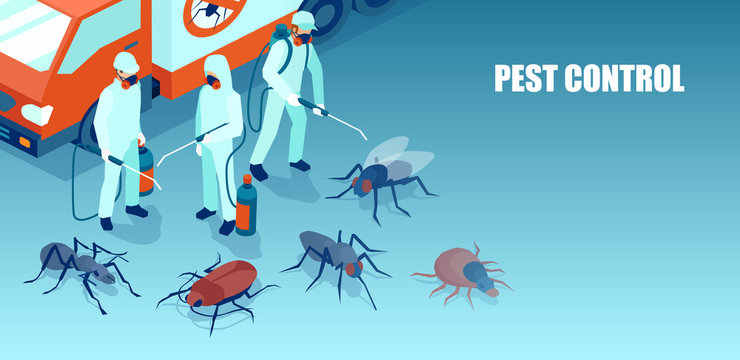
A expert pest control treatment generally initiates with a complete evaluation to recognize pest kinds, access places, and encouraging situations relating to the problem. The specialist should invest care examining both internal and exterior spaces, devoting particular attention to kitchens, restrooms, underground areas, and boundary structural supports where pest activity regularly focuses. Upon completing this evaluation, the expert should explain their discoveries in detail and advise a service approach adapted to your particular case, addressing both the specific creatures and the methods recommended for treating them. You may receive preparation instructions before application, possibly containing shifting furniture, removing certain locations, or containing animals. Throughout the procedure, the professional will apply proper chemicals to targeted zones considering the pest kinds found, emphasizing on fissures, gaps, and pest harborage locations rather than broadcasting procedures across full regions. They may place observation systems like insect catches or attractant systems that aid monitor development and provide persistent defense. After completing treatments, a expert should clarify any subsequent precautions such as airflow needs, occupancy times, or areas to clean. Before going, they should set up follow-up treatments if necessary for specifically difficult organisms like bed bugs or German cockroaches that typically require several treatments for entire elimination. Throughout this process, experts should encourage concerns and offer plain information about the materials and approaches employed, displaying their training and dedication to both performance and protection.
Effective pest control is an crucial aspect of sustaining safe, protected living and professional settings in New Jersey. From the wet summers that create mosquitos and ticks to the frigid months when rodents seek shelter interior, pest challenges continue a year-round issue for residents and enterprises in Monmouth County and Matawan. By understanding common organisms, applying precautionary measures, and understanding when to seek qualified support, structure operators can defend their holdings and the wellness of tenants.
Taking a proactive system to pest control is always additional productive and economical than handling to active infestations. Frequent examinations, proper upkeep, and tackling little problems before they grow can prevent the considerable charges and disruptions associated with substantial pest problems. When specialist intervention turns necessary, choosing a trustworthy, authorized pest control service who employs comprehensive pest treatment methods guarantees productive results with small surrounding effect.